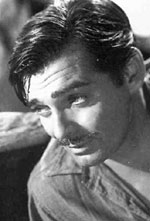
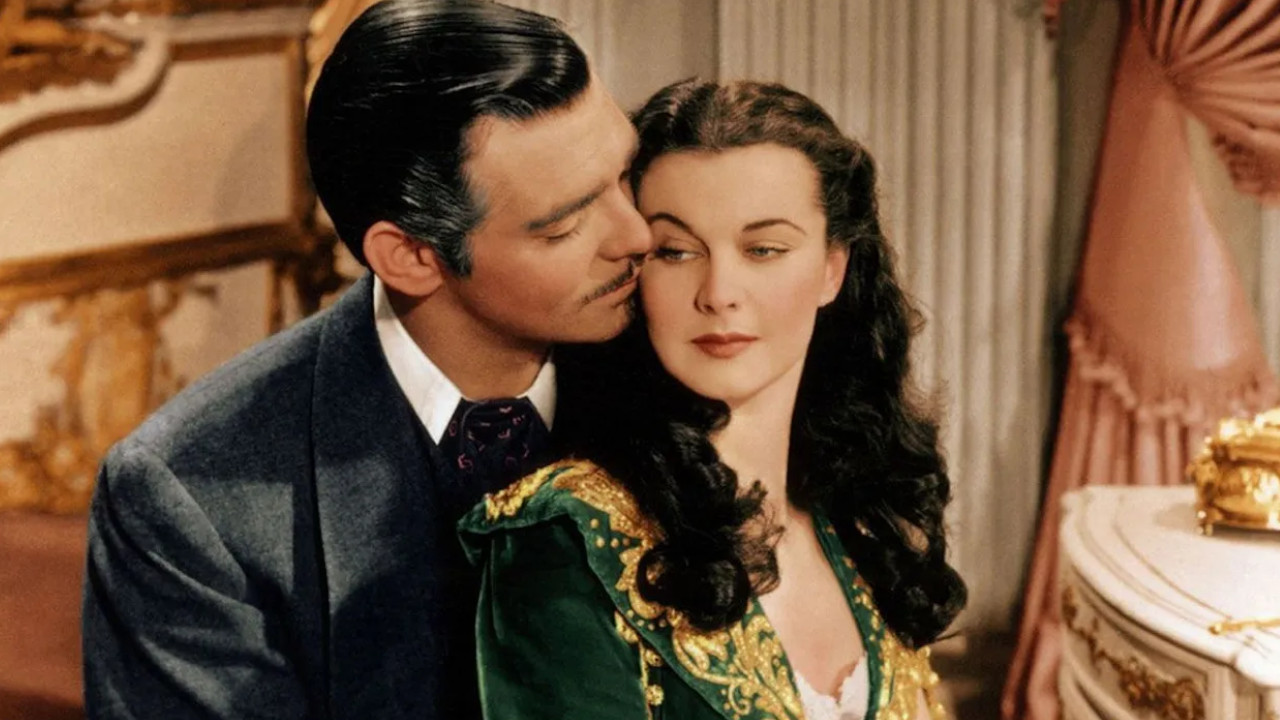
Quando alla fine degli anni ‘20, giovanotto di belle speranze si presenta al potente Darryl Zanuck per un provino, il giudizio è lapidario: inutile illudersi di fare cinema con quelle enormi orecchie che lo fanno tanto sembrare una scimmia! Per una volta però il leggendario fiuto di Zanuck fallisce, visto che nel giro di pochi anni da quel disastroso incontro Clark Gable, che si è fatto le ossa in teatro, diventa il “re di Hollywood”. Un titolo vitalizio che Gabe, come lo chiamano le folle, conserva fino al 16 novembre 1960, quando un attacco di cuore spegne bruscamente i riflettori sul divo cinquantanovenne. Appesantito e malinconico, Gable ha appena finito di girare quello che rimarrà il testamento spirituale suo e di Marilyn Monroe (che con lui condivide la scena e la prematura scomparsa): il crepuscolare Gli spostati di Huston, probabilmente il suo film migliore. Di sicuro quello per il quale più si è impegnato e che spera possa risollevare le sue quotazioni presso critici e produttori dopo una serie di poco efficaci progetti in cui si è trovato coinvolto nel Dopoguerra. Il suo declino comincia con la morte improvvisa e tragica della terza delle sue cinque mogli, la bionda e amatissima Carole Lombard che con Gable forma una delle coppie più invidiate del mondo del cinema. Dopo appena tre anni di matrimonio, nel 1942 lei muore in un incidente aereo tornando da un tour di sostegno alle truppe in guerra e lui si arruola nell’aviazione, conquistando medaglie, riconoscimenti e un’aura eroica che poi trasferisce in film come La lunga attesa, Suprema decisione; Controspionaggio. Ma il ritorno alla vita civile è tutt’altro che facile. Gable ha ormai cinquant’anni, è ingrassato, dimostra una predisposizione all’alcolismo, vede appannarsi il fascino malandrino che per più di un decennio ha fatto di lui l’ideale maschile nazionale. Si rifugia in remake professionali ma tiepidi di precedenti successi (come Mogambo di Ford che riprende Lo schiaffo 1932, uno dei titoli che lo aveva lanciato al fianco dell’esplosiva Jean Harlow), cerca di rinnovare lo status di sex symbol (10 in amore, Un re per quattro regine), in sostanza continua a replicare il personaggio su cui poggia la sua popolarità. Che è quello del seduttore ironico, irriverente e un po’ mascalzone che Gable ha declinato sul grande schermo in tutte le possibili accezioni. E con cui ha conquistato l’immaginario popolare, come con il Peter Warne di Accadde una notte, il film che lo impone come icona sexy di un’America che, risollevatasi dalla Grande depressione, cerca nuovi miti intraprendenti e più scanzonati. E pensare che quel film Gable non voleva assolutamente interpretarlo, arrivando ai ferri corti con Louis B. Mayer che invece vedeva nel progetto di Capra - tutt’altro che kolossal - l’occasione per imbrigliare un divo la cui crescente popolarità stava rendendo “ingestibile”. Andò a finire che il film fu un trionfo: la pellicola vinse per la prima volta tutti gli Oscar delle categorie maggiori (film, regia, attore e attrice protagonista – un’altrettanto inizialmente riluttante Claudette Colbert - sceneggiatura) e si impose come caposaldo e modello della screwball comedy. E la fama di Gable ne uscì rafforzata. Dopo una serie di prove brillanti che lo impongono fra i migliori attori della sua generazione (Lo scandalo del giorno, L’amico pubblico n. 1 ma anche l’avventuroso ed esotico Gli ammutinati del Bounty) è però nel 1939 che la carriera di Gable arriva alla sua sempiterna e definitiva consacrazione. Fleming e Selznick lo chiamano a interpretare Rhett Butler, “gentiluomo” cinico e spregiudicato protagonista di Via col vento. Anche in questo caso Gable nicchia: il ruolo non lo entusiasma e ci vuole tutta la persuasione di Selznick per convincerlo ad accettare e conquistare un posto nella leggenda.
Da Film Tv, n. 47, 22 novembre 2005